
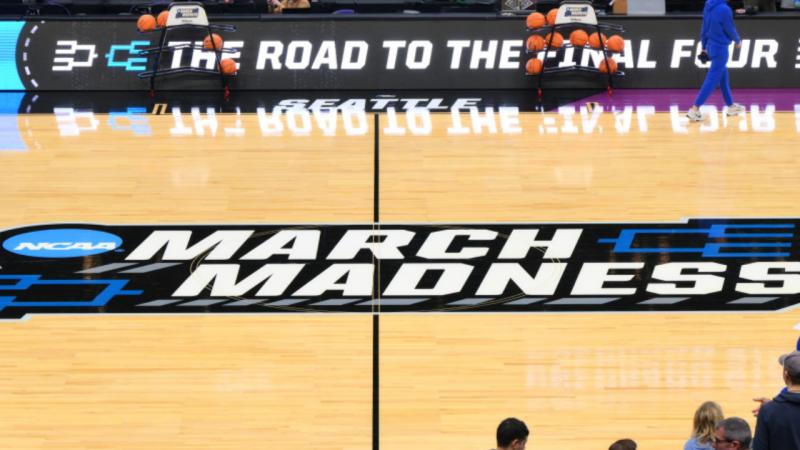
The NCAA Division I Men's Basketball Tournament - popularly known as March Madness - attracted $4 billion in wagering in 2026 at regulated US sportsbooks. Many people who otherwise don't often wager compete in March Madness bracket picks, and it is one of the most valuable events of the year for leading sportsbooks like FanDuel.
However, March Madness is not without risk for the 'books. The tournament is unpredictable and fan betting patterns can often swing the market heavily in a way that isn't warranted by stats or performances. Combine this with the huge betting volume and the existing risks of college sports betting and it can be a volatile period for operators. So, with billions on the line, sportsbooks need to stay one step ahead on every play.
What “Risk” Means for Sportsbooks During March Madness
When sportsbooks talk about “risk” during March Madness, they are not referring to a single factor, but a combination of financial exposure, betting behavior, and market volatility.
At its core, risk for operators like FanDuel comes down to liability — the total amount they stand to lose if certain outcomes occur. During March Madness, that liability can spike rapidly due to the volume of bets, the popularity of certain teams, and the structure of wagers like parlays and brackets.
There are three main types of risk sportsbooks manage during the tournament:
- Financial risk – large payouts from parlays, futures, or heavily backed outcomes
- Market risk – odds becoming mispriced due to public betting patterns
- Operational risk – handling massive spikes in traffic and betting volume
Understanding these layers is key to seeing why even the most profitable betting event of the year can still be one of the most dangerous for operators.
A Hugely Popular but Volatile Tournament
March Madness is a crazy tournament that often produces upsets. The single elimination format means teams only get one shot - and that can mean an upset defeat changes the whole shape of the market.
For example, in the first round of the 2026 tournament, 11th seed VCU pulled out a dramatic overtime comeback victory over sixth seed North Carolina. The biggest upset story of the tournament was probably 9th seed Iowa, who beat 1st seed Florida and 4th seed Nebraska before falling to Illinois in the elite eight round.
Before this year, 11th seed or lower picks made the final four half a dozen times in the past decade or so.
Some notable major shocks over that time include:
- 2010: Butler reaches the Championship game
- 2011: Butler returns to the national Championship game
- 2011: VCU (No. 11 seed) reaches the Final Four
- 2013: Wichita State reaches Final Four
- 2018: UMBC (No. 16 seed) defeats No. 1, Virginia
- 2023: Fairleigh Dickinson (No. 16 seed) defeats No. 1, Purdue
The trend has been changing recently, though, with no 9th- or lower-seeded team making the final four since Florida in 2023. Only one 11th seed - Texas - made the last 16 this year.
Although a favorite losing is good for the 'books sometimes, the volume on the underdog has to be under a certain level. Win rate for sportsbooks also depends on how much betting interest is lost if a heavily backed favorite goes out early.
Futures Bets and Bracket Pools Add Long-Term Risk
Beyond individual game bets, March Madness introduces additional layers of risk through futures and bracket-style wagers.
Futures bets — such as predicting the tournament winner before it begins — can accumulate massive liability if a popular team like a No. 1 seed is heavily backed. These bets remain active throughout the tournament, meaning sportsbooks carry that risk for weeks.
Bracket challenges add another unique dynamic. While many are promotional, some include real-money rewards or tie into betting behavior. Because the tournament format is highly unpredictable, even a small number of highly accurate brackets can result in outsized payouts.
This long-tail exposure makes March Madness different from regular-season betting, where risk is typically resolved on a game-by-game basis.
Sportsbooks Go Big on March Madness Promotions
Sportsbooks increase their promotional spending during March Madness. Because it is a statement that they have come to rely on, they are keen to keep it growing.
A sportsbook like FanDuel will always have one eye on its competitors' offers as well. That's because bettors looking for a FanDuel promo frequently head to third-party comparison sites to see their offers listed against other sportsbooks. These reviewers also look at other considerations for bettors, like a sportsbook's payment system or breadth of betting options and markets.
This creates a competitive environment, with lots of different offers available that are often targeted specifically at March Madness. Some examples include:
- Odds boosts
- Free bets
- Bracket challenges
- Parlay boosts
- Special props
Because of the longshot nature of bracket pick games, sportsbooks have to balance encouraging more speculative bets against the potential that some of them will pay off. A super lucky bracket pick or parlay, such as a $10 bet that turned into a $33,000 win in 2021, can pay out significant amounts.
This means 'books often balance big parlays with cash-out offers, while also trying to balance betting across favorites and underdogs through incentives.
Margins, Hold Percentage, and Why Volume Matters
Despite the massive betting volume during March Madness, sportsbook profit is not guaranteed.
Operators typically aim for a hold percentage (their profit margin) of around 5% to 10% on standard sports betting markets. However, during high-volume events like March Madness, that margin can fluctuate significantly depending on results.
If favorites win consistently — especially heavily backed ones — sportsbooks can see their margins shrink or even turn negative for short periods. On the other hand, unexpected outcomes or underdog wins can significantly boost profitability.
This dynamic is what makes March Madness unique. It is not just about how much money is wagered, but how that money is distributed across outcomes.
Public Betting on March Madness is More Casual - so Favorites Can Stack Liability
March Madness attracts a lot of people to bet who don't often do so otherwise. This casual audience often prefers wagers on higher-seeded teams and well-known colleges.
This can create an imbalance in the market later in the tournament. For example, this year's final four has two number 1 seeds (Michigan and Arizona) and then seeds 2 and 3 in UConn and Illinois.
Because of the historic volatility of the tournament and its single-elimination format, sportsbooks can't price any team as too heavy a favorite from the start. But that means in the event a heavily-backed top seed does it win it all, they could have to pay out to a lot of bettors across parlays, futures and bracket picks.
Sportsbooks deal with this concentration of bets on a handful of teams. They can subtly adjust pricing using a different model to other markets that accounts for public bias, or they can put out promotions and offers that encourage backing underdog teams. Thereby balancing their exposure across various outcomes.
How Sportsbooks Manage March Madness Risk
To stay profitable during March Madness, sportsbooks rely on a combination of pricing strategy, hedging, and behavioral modeling.
One of the primary tools is line movement. If too much money comes in on one team, sportsbooks will adjust the odds to make the opposing side more attractive. This helps balance the book and reduce potential losses.
They also use parlay liability management, since parlays are extremely popular during the tournament. Because parlays multiply odds, even small bets can turn into large payouts. Operators often tweak pricing slightly across multiple legs to protect themselves without making it obvious to bettors.
Another key strategy is promotional steering. Sportsbooks may push odds boosts or bonuses on underdogs to shift betting distribution away from heavily backed favorites.
Finally, advanced operators use predictive models that incorporate not just team performance, but also public betting behavior. This allows them to anticipate where liability will build before it becomes a problem.
College Sports Can Be Controversial for Betting
As well as the mathematics and the markets of betting, sportsbooks have to be aware of the culture around college sports and gambling.
The NCAA was historically very against gambling. It was, in fact, the primary defendant for the Professional and Amateur Sports Protection Act, during the 2018 lawsuit that struck it down and opened the gates for legal US sports betting.
Its overall attitude has since changed. However, the college sports body still applies considerable pressure to sportsbooks on certain issues.
For example, over the past few years, reports of abuse aimed at college athletes linked to angry bettors have been on the rise. The NCAA has also taken issue with betting partnerships and advertising on college campuses.
Sportsbooks like FanDuel have to balance providing entertainment that people want and making a profit, while staying on the good side of regulators and other advocacy groups.
Regulatory Pressure and Responsible Gambling Concerns
In regulated markets like the United States, sportsbooks must also navigate strict compliance requirements during major events like March Madness.
State regulators closely monitor promotional activity, advertising practices, and responsible gambling safeguards. During high-profile tournaments, there is increased scrutiny on how sportsbooks market to younger audiences, particularly given the college-focused nature of the event.
Operators are also expected to implement measures such as betting limits, self-exclusion tools, and monitoring for unusual betting patterns. Failure to meet these standards can result in fines or restrictions, adding another layer of operational risk beyond pure financial exposure.
Why the Risk is Worth it for 'Books' in the Long Run
Despite all of the above risks, $4 billion spent over a month is just too much for sportsbooks to not go all in on. As well as all the casual bettors, the potential for long-term customer acquisition is very high.
This also balances risk. For example, if a new bettor hits a big winner on a speculative March Madness wager, they may well then become a long-term customer.
While there have been multiple cases of big US sportsbooks failing to make money in recent years - no other business has to pay as much revenue back to customers - the house edge still prevails in most cases.
Plus, specifically for a market leader like FanDuel, it can swallow a certain amount of big losses just based on its sheer volume of bets. Something that other, smaller books can't do as well.
This means it can offer bigger and better bonuses, taking more risks on acquiring customers, through March Madness and beyond.
Final Thoughts: High Risk, High Reward for Sportsbooks
March Madness represents a perfect storm for sportsbooks — massive betting volume, unpredictable outcomes, and highly emotional betting behavior.
For operators like FanDuel, the tournament is both an opportunity and a challenge. The potential for record-breaking revenue comes hand in hand with increased liability, tighter margins, and greater regulatory scrutiny.
In the end, success during March Madness is not just about attracting bettors, but about managing risk intelligently across thousands of markets and millions of wagers. And while the house usually wins in the long run, this is one event where even the biggest sportsbooks have to stay sharp from tip-off to the final buzzer.
