
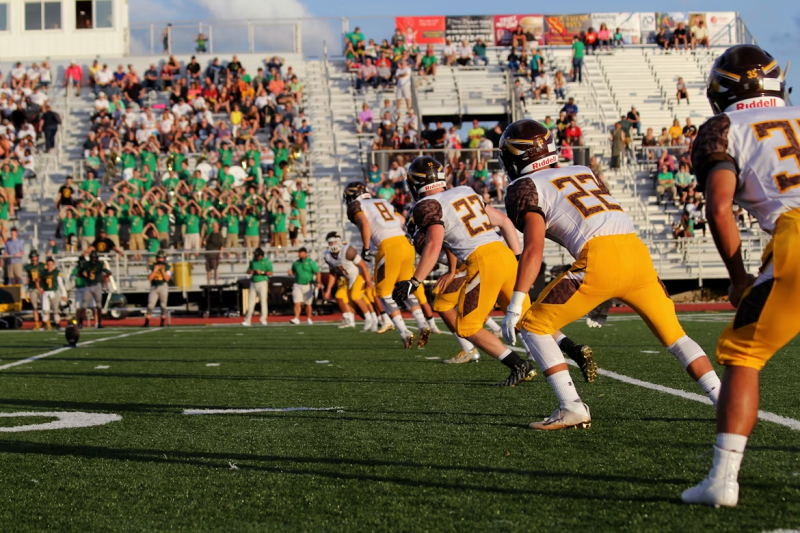
College athletics are often remembered for championships and dramatic finishes, yet their most lasting impact rarely appears on the scoreboard. For many students and alumni, attending games becomes part of a broader experience of belonging. Shared traditions, school pride, and repeated gatherings create a setting where people meet naturally and continue to stay connected long after classes end.
After graduation, those connections do not simply disappear. Former classmates reconnect during tournament seasons, travel back to campus for major games, and continue conversations online throughout the year. In group chats and alumni forums, discussions frequently drift beyond sports. A casual conversation might even include a lighthearted topic like how to meet Polish girls for marriage while learning about another supporter’s background. This illustrates how relationships formed around athletics often grow into genuine friendships that extend beyond campus life.
The Campus Environment That Encourages Connection
College sports uniquely encourage interaction because they provide a shared purpose. Students from different majors, backgrounds, and social circles gather in the same stadium for a common experience. Unlike classrooms, where interaction may be limited, athletic events invite participation. Cheering, reacting, and celebrating together lowers social barriers.
The physical setting also matters. Student sections place individuals side by side for hours at a time. Conversations begin easily because the game offers a constant topic. Over repeated seasons, familiar faces become acquaintances, and acquaintances become friends. Importantly, this connection forms without structured introductions. People simply continue showing up in the same place, week after week.
Traditions Strengthen Familiarity
Traditions reinforce these relationships. Marching band performances, pregame rituals, and rivalry week preparations provide predictable experiences. Participants know what to expect and when to return. Because traditions repeat every season, they create continuity even as student populations change.
Alumni often recall these traditions more vividly than specific results. The memory of singing a fight song with thousands of others or celebrating a last-minute victory together remains powerful because it was shared. Shared emotion strengthens memory, and memory strengthens relationships.
Alumni Networks and Continued Interaction
After graduation, structured life replaces campus routines. Careers, relocation, and family responsibilities limit everyday contact. However, college sports offer a recurring reason to reconnect. A scheduled game becomes an invitation to communicate again.
Alumni groups often organize watch parties and reunions. Even those living far from campus gather at local venues wearing school colors. Technology further extends this interaction. Messaging platforms and social media allow supporters to follow games simultaneously while discussing every play.
Stage of Life | How Sports Maintain Connection |
Student years | In-person attendance and shared traditions |
Early career | Watch parties and alumni gatherings |
Relocation | Online discussion and live game chats |
Later adulthood | Family traditions and reunions |
This continuity transforms sports from an activity into a social anchor. People who have not spoken for years can reconnect instantly through a single game discussion.
Shared Memory and Identity
College teams represent a specific period in life. Supporting a team reminds alumni of friendships, routines, and formative experiences. The connection, therefore, operates on two levels: present enjoyment and past association. Watching a game is not only entertainment; it is also remembrance.
Because the team remains constant while individuals move on, it provides stability. People change cities and careers, yet their school colors remain familiar. That familiarity makes reconnection effortless. When alumni meet again, conversation begins immediately because the shared identity never disappears.
Community Beyond Geography
College sports communities often become geographically dispersed. Graduates move across states and countries, yet continue to follow the same team. Broadcast access and digital platforms allow supporters to watch simultaneously, regardless of location.
Consequently, friendships expand beyond local boundaries. An alumnus living abroad may still participate in discussions during tournaments. Online conversations create new connections between people who never attended school together but share allegiance to the same program.
This global aspect strengthens the network. Instead of shrinking after graduation, the community grows. Each new member introduces different perspectives and experiences. What began as campus familiarity evolves into a broader social circle.
Generational Continuity
Many supporters introduce family members to their college teams. Children grow up watching games with parents, adopting traditions they never experienced on campus. The connection passes from one generation to the next, preserving both the team’s culture and the relationships surrounding it.
Family gatherings often revolve around important matchups. A parent explains a historic rivalry, and younger viewers learn its meaning through storytelling. These shared experiences extend the life of college friendships because alumni reconnect with former classmates while also involving their families.
Why the Bonds Last
The durability of these friendships comes from repetition and emotion. Unlike casual social encounters, college sports interactions occur regularly and involve shared anticipation. Emotional highs and lows strengthen interpersonal connections. When people celebrate and endure disappointment together, they develop trust.
Additionally, participation requires little effort. Watching a game or discussing results fits easily into everyday life. Because the activity continues annually, friendships receive ongoing reinforcement. There is always another season, another matchup, another reason to communicate.
Over time, the team becomes a meeting point. Even if personal interests diverge, supporters return to the same subject. This reliable connection prevents relationships from fading.
Beyond Competition
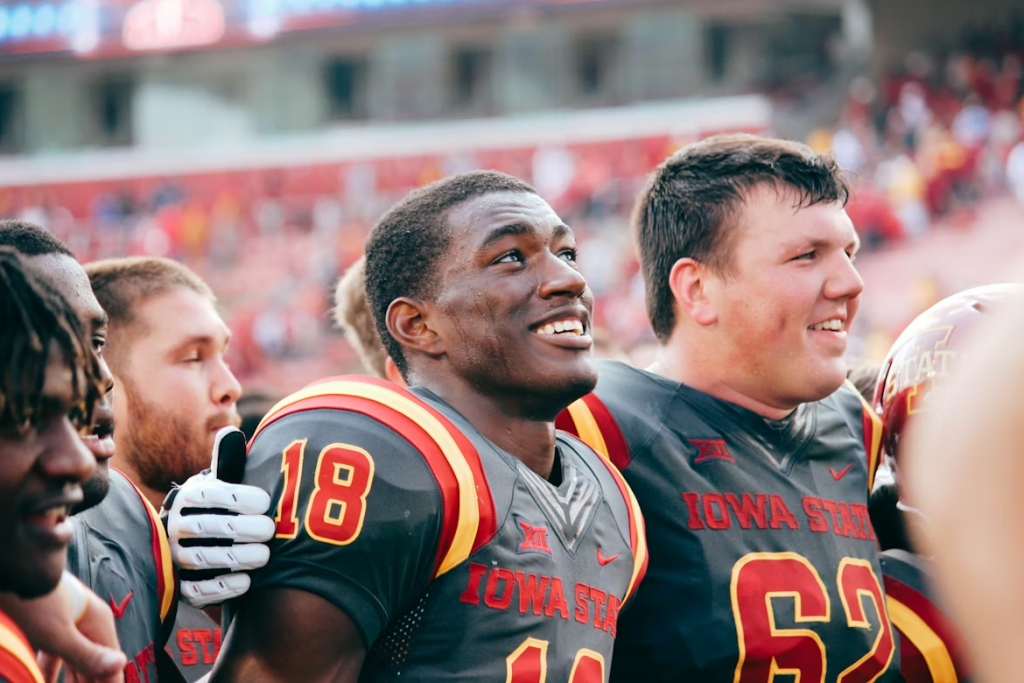
College athletics ultimately serve a social purpose. While competition drives attention, community sustains engagement. Students attend games for excitement, but they return because of the people beside them. Alumni watch not only to see a victory, but to reconnect with those who shared earlier experiences.
The friendships created in stadiums and arenas, therefore, outlast academic schedules. They adapt to new technology, new locations, and new stages of life. Whether in person or online, supporters continue gathering around a common symbol.
College sports endure because they connect individuals to each other as much as to the game itself. Championships may be remembered, yet relationships are maintained. In the end, the most lasting legacy of college athletics is not a trophy but a network of friendships that continues long after graduation day.
