
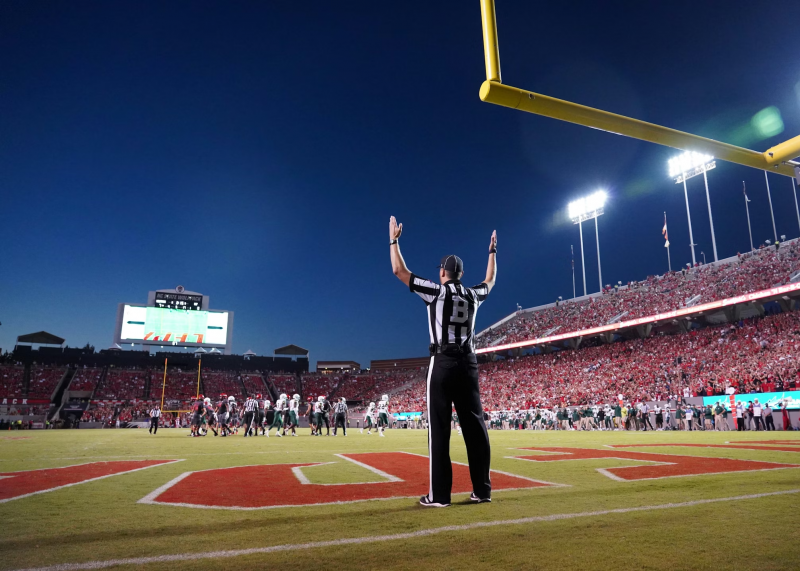
Bowl season has a way of humbling anyone who treats it like an extension of the regular season. Teams change. Priorities shift. Rosters thin out. What looked reliable in October can feel irrelevant once the postseason narrows and stakes rise.
That reality explains why bowl games routinely deliver the most surprising results on the college football calendar.
For bettors, this stretch rewards context more than box scores. Motivation, personnel decisions, and preparation time tend to matter as much as talent, sometimes more. As the postseason progresses and matchups grow tighter, these underlying trends become harder to ignore.
The goal of analysis isn’t to predict every result, but to recognize the signals that tend to repeat every postseason.
Why Bowl Season Plays by Different Rules
The regular season is about survival. Bowl season is about circumstance. Once matchups are set, preparation, motivation, and availability often matter more than rankings.
Weeks of downtime separate the final whistle of rivalry week from kickoff in neutral-site games where preparation windows grow longer, and margins shrink. That gap changes everything. Momentum fades. Injuries heal or linger. Players reassess futures. Coaches adjust plans. In some cases, teams barely resemble the versions that earned their bowl invitations.
This is also where market perception can lag reality. Odds still lean on season-long data, but postseason games hinge on who shows up focused, intact, and prepared. Bettors who understand why bowl season behaves differently are better positioned to interpret what those numbers actually represent.
Team Motivation: The Most Reliable Bowl Indicator
Motivation may be difficult to quantify, but it shows up clearly once the game starts. As the postseason progresses, motivation gaps tend to widen rather than disappear. Effort levels, tackling intensity, and sideline energy often tell the story before halftime.
Some teams view bowl games as rewards. Group of Five programs, first-time qualifiers, or teams that rallied late to reach eligibility often treat the game like a statement. Practices feel meaningful. Players talk about finishing strong. Seniors want one more moment together.
Others arrive disappointed. Power conference teams that expected playoff consideration or a marquee bowl appearance can struggle to reset mentally. That frustration doesn’t always mean they lose outright, but it often shows up in sluggish starts or uneven execution.
When bettors begin comparing motivation across matchups, it becomes easier to understand why spreads land where they do. Looking at NCAA football odds alongside these motivational dynamics helps frame how the market weighs excitement versus expectation, especially as the postseason field becomes clearer and expectations tighten.
Common motivation signals worth noting include:
- Teams celebrating the opportunity versus treating it like an obligation,
- Veteran-heavy rosters playing their final game together,
- Programs emphasizing conference pride or program momentum.
In bowl season, motivation doesn’t just influence effort; it often determines which teams play to their ceiling and which fall short of expectations.
Roster Continuity and Opt-Outs Change Everything
Modern bowl season is defined by availability. Transfer portal movement and draft preparation can reshape a roster overnight, sometimes turning a competitive matchup into a mismatch. With fewer games remaining, each absence carries more weight than it did during the regular season.
Quarterbacks matter most. Losing a starter often leads to conservative game plans or stalled offenses. Defensive leaders matter too, particularly play-callers and experienced communicators who hold schemes together. Replacements may be talented, but cohesion rarely improves with fewer reps.
This environment creates an information-driven market. News breaks. Lines move. Sometimes dramatically. Savvy bettors understand that those swings aren’t random; they reflect how much a single player impacts a team’s identity.
Continuity also works in the opposite direction. Teams with few departures and strong senior leadership often outperform expectations simply by remaining themselves. Chemistry becomes an edge when opponents are still adjusting.
Coaching Stability and the Value of Extra Preparation
Bowl games offer something rare: time. Weeks of practice allow coaches to install wrinkles, adjust tendencies, and prepare specifically for one opponent.
Stable staffs benefit most. Familiar systems allow players to focus on execution rather than learning. Communication improves. Details sharpen. Programs with continuity often look cleaner and more confident when kickoff arrives.
Instability creates uncertainty. Interim coaches face split responsibilities. New coordinators simplify playbooks. Film from October loses relevance quickly. These teams may still compete, but inconsistency becomes part of the profile.
Preparation history matters too. Some coaches consistently deliver organized, disciplined bowl performances. Others struggle to motivate or adapt. Bettors don’t need exhaustive records, just an awareness that preparation quality often outweighs raw talent in these settings.
How to Apply Bowl Trends Without Overthinking Them
Bowl betting isn’t about finding hidden formulas. It’s about asking the right questions at the right time.
Instead of starting with season averages, start with the present version of each team. Focus on who’s available, who’s motivated, and who’s leading preparation.
A practical approach includes:
- Monitoring roster news and availability updates closely,
- Paying attention to tone in player and coach interviews,
- Comparing continuity before comparing statistics,
- Using odds as context, not conclusions.
For bettors looking to stay informed as the postseason picture sharpens, reviewing the latest NCAAF insights and trends can help connect these situational factors with broader patterns as they continue to develop.
The Patterns That Bowl Season Always Reveals
As the postseason reaches its most meaningful games, college football shifts away from systems and statistics and toward people. Effort, focus, preparation, and cohesion become clearer once teams step outside the weekly rhythm of the regular season, and bowl settings tend to amplify those differences.
That’s why the same trends resurface year after year. Teams change, but the dynamics driving postseason outcomes stay remarkably consistent.
Bowl season doesn’t reward seeming certainty; it rewards awareness. Bettors who understand how teams evolve during this stretch are better positioned to approach matchups with clarity.
